

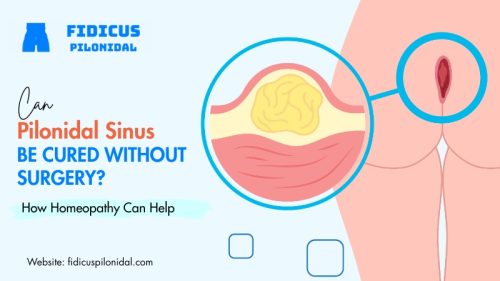
Pilonidal sinus is a chronic skin condition that typically occurs in the cleft between the buttocks, close to the tailbone. It appears as a small tunnel or cyst under the skin, often containing hair, debris, and sometimes pus. The condition can cause pain, swelling, and foul-smelling discharge if infected. It is more common in men aged between 15 and 35, especially those with thick body hair, sedentary lifestyles, or repeated friction in the area.
In medical documentation, doctors use a universal system called the International Classification of Diseases (ICD) to record health conditions. For pilonidal sinus, the Pilonidal Sinus ICD 10 code helps standardize diagnosis, track disease prevalence, process insurance claims, and guide treatment plans. At Fidicus Pilonidal, we combine this precise diagnosis with pilonidal sinus treatment in homeopathy to offer a safe, gentle, and non-surgical solution.
Understanding Pilonidal Sinus ICD 10
The ICD 10 code for pilonidal sinus falls under category L05, which is specifically assigned to pilonidal cysts. It has two main subcategories:
- L05.0 – Pilonidal cyst with abscess (infection present)
- L05.9 – Pilonidal cyst without abscess (no active infection)
This coding system ensures that whether you are in Hyderabad, New York, or London, the diagnosis is recorded in the same medical language. Correct coding helps doctors choose the right treatment pathway and ensures insurance claims are processed without unnecessary delays.

Causes and Risk Factors of Pilonidal Sinus
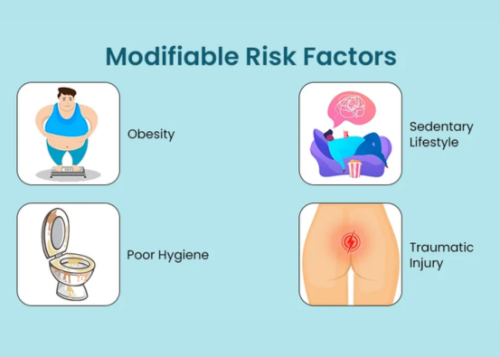
Pilonidal sinus does not develop overnight — it’s the result of multiple factors working together over time. Knowing these triggers can help in both early intervention and pilonidal sinus prevention.
- Ingrown Hair
One of the most common causes, an ingrown hair occurs when a hair strand grows back into the skin instead of outward. This can irritate the surrounding tissue, leading to inflammation and, eventually, a sinus tract. People with coarse or thick hair are more prone to this condition. In pilonidal sinus, these ingrown hairs often accumulate in the sacrococcygeal area, causing repeated infections. - Friction & Pressure
Sitting for prolonged periods — whether due to desk jobs, driving, or long travel — increases friction and pressure in the tailbone area. This constant stress damages the skin, allowing hair and debris to penetrate and cause irritation. Occupations like truck driving, office work, or cycling have a higher risk factor. - Poor Hygiene
When the tailbone area isn’t cleaned regularly, sweat, dead skin cells, and hair can build up, creating an ideal environment for bacterial growth. Over time, this can lead to chronic infection and abscess formation. Proper hygiene is an essential part of pilonidal sinus prevention. - Sweating & Moisture
Excessive sweating in the lower back and buttock region, especially in hot climates like Hyderabad, softens the skin and weakens its natural barrier. This makes it easier for hair and dirt to penetrate the skin, increasing the risk of cyst formation. - Genetic Predisposition
Family history plays a role — individuals with certain skin structures, deep natal clefts, or dense hair growth in the tailbone area may be genetically more susceptible to developing pilonidal sinus. - Trauma to the Tailbone Area
A fall, injury, or repeated minor trauma can create small skin openings where hair and debris can lodge, eventually triggering infection. - Obesity
Excess body weight increases skin friction, sweating, and pressure in the sacrococcygeal region, all of which contribute to pilonidal sinus development. - Age and Gender
Young adults, particularly men between 15–35 years, are more prone due to hormonal factors that increase hair growth and oil production. - Tight Clothing
Wearing tight jeans or undergarments can increase friction and trap heat and moisture, creating favorable conditions for bacterial growth.
By understanding these causes and addressing them proactively — such as by maintaining hygiene, avoiding prolonged sitting, wearing loose-fitting clothes, and managing body hair — you can greatly reduce your risk of developing this condition or experiencing recurrence. Combining these preventive steps with pilonidal sinus treatment in homeopathy offers long-lasting protection.
Recognizing Pilonidal Sinus Symptoms Early
Spotting the warning signs of pilonidal sinus at an early stage is crucial. Timely detection can mean the difference between managing it naturally with pilonidal sinus treatment in homeopathy and undergoing invasive surgery. In most cases, the symptoms begin subtly but can worsen rapidly if ignored.
Early-Stage Symptoms
These symptoms often go unnoticed or are mistaken for minor skin irritation. However, they are the first red flags:
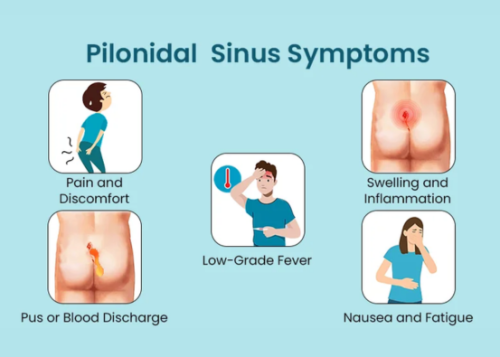
- Small Dimple, Pit, or Swelling Near the Tailbone
This is usually the first visible sign — a small depression or opening in the skin, sometimes with a tiny tuft of hair. It may look harmless but can trap hair and dirt, eventually leading to infection. - Mild Redness or Tenderness
Inflammation begins with slight redness or a warm sensation in the affected area. Touching it may cause mild discomfort. - Slight Discomfort While Sitting or Bending
You might notice pain or stiffness when leaning back in a chair or bending forward. Many people dismiss this as muscle strain, delaying diagnosis.
Advanced Symptoms
If the condition progresses without treatment, symptoms become more severe and can significantly affect daily activities:
- Visible Lump or Abscess Near the Buttock Crease
The swelling becomes more pronounced, often turning into a painful abscess filled with pus. - Severe Pain When Sitting or Walking
Pain levels increase dramatically, making it uncomfortable to perform even simple tasks like driving, sitting at work, or walking short distances. - Discharge of Pus or Blood
Infected pilonidal sinuses often leak pus mixed with blood through one or more sinus openings. - Foul-Smelling Drainage
The odor results from bacterial infection and decaying debris inside the sinus tract. - Fever in Case of Infection
In severe cases, infection can spread, leading to fever, fatigue, and general malaise — a sign that urgent treatment is needed.
Why Early Diagnosis Matters
Early identification using the Pilonidal Sinus ICD 10 classification allows healthcare providers to record and treat the condition before complications arise. This approach also makes non-surgical treatments like pilonidal sinus treatment in homeopathy more effective, as it addresses the problem in its initial stages, reduces inflammation naturally, and prevents recurrence.
Delaying diagnosis not only increases discomfort but also raises the risk of:
- Recurrent infections
- Formation of multiple sinus tracts
- Larger surgical procedures if homeopathy is not initiated in time
By being aware of these symptoms and acting promptly, you can avoid unnecessary surgery and recover with a gentle, long-term solution.
Can Pilonidal Sinus Be Cured Without Surgery?
The encouraging answer is yes, especially in non-complicated, early-stage, or moderate cases. While surgery (such as excision or flap procedures) is a widely used conventional approach, it comes with several drawbacks: stitches, post-operative pain, scarring, weeks of recovery, and, most importantly, a significant recurrence rate.
Research shows that even after surgical removal, pilonidal sinus can recur in up to 30–40% of cases. This is because surgery addresses the effect (the cyst or abscess) but not the cause (the tendency for hair, debris, and infection to re-accumulate in the area).
Why Consider Homeopathy Instead?
At Fidicus Pilonidal, we focus on pilonidal sinus treatment in homeopathy because it offers a safe, holistic, and non-invasive alternative to surgery — aiming for complete, long-term recovery.
Advantages of Homeopathy for Pilonidal Sinus:
- Addresses Root Cause, Not Just Symptoms
Homeopathy works by correcting the body’s tendency to form cysts and reducing susceptibility to infection. It treats the condition internally rather than just removing the affected tissue. - Reduces Inflammation and Infection Naturally
Remedies such as Silicea, Hepar Sulphuris, and Myristica Sebifera are selected to drain abscesses naturally, reduce swelling, and clear infection without antibiotics or surgical drainage. - Encourages the Body’s Self-Healing Mechanism
Instead of forcing physical removal, homeopathy supports the body’s own ability to repair tissue, expel embedded hair or debris, and heal the sinus tract from within. - Prevents Recurrence by Boosting Immunity
A key benefit of homeopathy is long-term prevention. By strengthening your immune response, it reduces the risk of another cyst forming — a problem that conventional surgery often fails to solve. - No Surgical Scars, Stitches, or Tissue Damage
Because treatment is non-invasive, patients avoid surgical wounds, prolonged downtime, and scarring. This means faster return to work, normal activities, and improved cosmetic results.
How Fidicus Pilonidal’s Homeopathy Works
Our Pilonidal Sinus treatment in Hyderabad is designed to target the condition holistically:
- In-depth Consultation:
We examine your medical history, symptoms, and lifestyle to understand the root cause. - Individualized Medicines:
Remedies such as Silicea, Hepar Sulphuris, Myristica Sebifera, or Calcarea Sulphurica may be prescribed based on symptom profile. - Focus on Healing & Prevention:
Homeopathy not only resolves the current cyst but also works to stop recurrence. - Lifestyle & Hygiene Advice:
We guide you on posture correction, clothing choices, and hygiene practices to complement your treatment.
Pilonidal Sinus Prevention Strategies
Whether you have successfully recovered from pilonidal sinus or are trying to avoid developing it in the first place, prevention should be a priority. This is because once a pilonidal sinus occurs, it has a natural tendency to recur — especially if the underlying risk factors are not addressed. Following a proper prevention routine can help you stay symptom-free and reduce the chances of future complications.
Daily Care Tips for Prevention
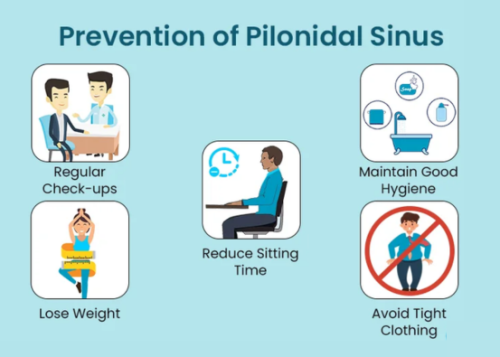
- 1. Keep the Tailbone Area Clean and Dry
Hygiene is the first line of defense against pilonidal sinus. Wash the area daily with mild soap and warm water, especially after physical activity. Dry thoroughly to prevent moisture buildup, which can encourage bacterial growth. - 2. Use Antibacterial Cleansers if Prone to Infection
For people with oily skin or those living in hot and humid climates like Hyderabad, using a gentle antibacterial cleanser can help keep bacteria at bay. This reduces the risk of hair and debris becoming trapped in the skin. - 3. Avoid Prolonged Sitting on Hard Surfaces
Sitting for hours without breaks increases pressure and friction in the sacrococcygeal region. If your work involves long sitting hours (office jobs, truck driving, or studying), take short standing or walking breaks every 30–60 minutes. Using a cushioned seat can also reduce pressure. - 4. Wear Breathable, Loose-Fitting Clothing
Tight clothing traps sweat and heat, creating an environment favorable for bacterial growth and hair penetration. Opt for cotton or moisture-wicking fabrics that allow your skin to breathe and reduce friction. - 5. Maintain a Healthy Weight to Reduce Skin Friction
Excess weight increases skin folds, pressure, and sweating in the tailbone area. A balanced diet and regular exercise can help reduce strain in the area and improve skin health. - 6. Remove Excessive Hair from the Affected Area
Excessive hair growth in the natal cleft is a major risk factor. Hair trimming or gentle hair removal (avoiding harsh chemical depilatories) can minimize hair penetration and reduce recurrence chances. - 7. Stay Physically Active to Improve Blood Circulation
Regular exercise boosts blood flow, strengthens immunity, and prevents excessive pressure on the tailbone caused by sedentary habits. Activities like walking, yoga, and swimming are particularly beneficial. - 8. Avoid Excessive Sweating and Moisture Retention
In hot weather, use talcum powder or moisture-absorbing products to keep the area dry. This helps prevent skin softening and bacterial overgrowth. - 9. Follow Up with Your Doctor After Recovery
Even after complete healing, regular check-ups with your homeopathy doctor for pilonidal sinus ensure early detection of any reformation, allowing quick, non-surgical intervention.
These Pilonidal Sinus prevention measures, when combined with pilonidal sinus treatment in homeopathy, create a strong defense against recurrence. Homeopathy not only addresses the current condition but also strengthens your immune system, making it less likely for a new sinus to form.
Dangers of Ignoring Pilonidal Sinus
If left untreated, pilonidal sinus can lead to:
- Recurrent infections
- Abscess formation requiring emergency drainage
- Multiple sinus tracts spreading to deeper tissues
- Chronic pain and discomfort
- Rarely, skin cancer (squamous cell carcinoma) in chronic neglected cases
This is why accurate diagnosis with Pilonidal Sinus ICD 10 and timely holistic treatment are crucial.
Why Choose Fidicus Pilonidal in Hyderabad?
- Expertise in pilonidal sinus treatment in homeopathy
- Comprehensive care — from diagnosis to prevention
- Personalized remedies with zero side effects
- Guidance on Pilonidal Sinus prevention to avoid recurrence
- Convenient treatment for patients seeking Pilonidal Sinus treatment in Hyderabad
Final Thoughts
The Pilonidal Sinus ICD 10 classification is much more than a medical code — it’s the key to consistent diagnosis, accurate record keeping, and effective treatment planning. At Fidicus Pilonidal, we believe that early detection, correct coding, and personalized pilonidal sinus treatment in homeopathy can save patients from unnecessary surgery and ensure long-term relief.
If you are wondering Can pilonidal sinus be cured without surgery — the answer is yes, with the right approach and preventive care.